And How I Fell in Love with the Beautiful Game
The 2026 FIFA World Cup is expected to draw a cumulative 6 billion television viewers worldwide, and this does not include the people streaming the matches or watching highlights on digital and social media platforms. The opening ceremony alone was watched by a staggering 1.42 billion viewers. So how did 22 men chasing a ball become the world’s most popular sport?
To answer that question, let us begin with the history of the game.
The earliest evidence of ball games dates back to 3000 BCE in Mesoamerica and to 2000 BCE in Egypt and Greece. The ancient Chinese game of Cuju is the earliest known instance of kicking a ball and dates back to around 300 BCE. There is also evidence of Aboriginal peoples in Australia and inhabitants of the Pacific Islands playing ball games.
Regardless of its precise origins, it is evident that the urge to kick a round object with our feet is a universal human instinct, and the simple pleasure of doing so lies at the very heart of the game’s vast appeal. Football is the only major sport in which the use of hands is prohibited, except for goalkeepers within their designated area, and it is one of the few games that requires virtually no specialized equipment. At its core, the game is simply about kicking a round object, which can be fashioned out of almost anything. The requirement for space is also minimal. Any open area can become a playing field—a beach, a narrow street, a vacant lot, or a parking area.
Unlike sports such as tennis or golf, there are few barriers to participation. Children can be found kicking balls around in small villages across Africa, Asia, and South America, just as they do in the more organized settings of wealthier nations. It is also a sport in which physical attributes are not necessarily a prerequisite for success. Unlike basketball, where height is often an advantage, or rugby and American football, where strength is paramount, even a small, skinny child can become an exceptional player.
The modern version of the game began taking shape in mid-nineteenth-century England. It quickly gained popularity among the working classes, both as a sport to play and as a spectacle to watch. Soon, local communities began forming clubs that competed against one another. Over time, strong bonds developed between communities and their teams, helping football evolve from a simple pastime into an integral part of daily life.
The English spread the game through trade and colonization. Sailors, soldiers, and workers became its earliest ambassadors, and football spread like wildfire across the globe. Teams soon became a source of pride for their communities and countries, particularly in South America. The formation of FIFA in the early twentieth century and the inauguration of the World Cup in Uruguay in 1930 cemented the status and popularity of the international game.
For Brazilians and Argentinians, defeating the Europeans and winning the World Cup became a matter of national pride. With the arrival of live satellite television, audiences suddenly skyrocketed. Today, the television audience for a single World Cup match dwarfs that of almost every other sporting event.
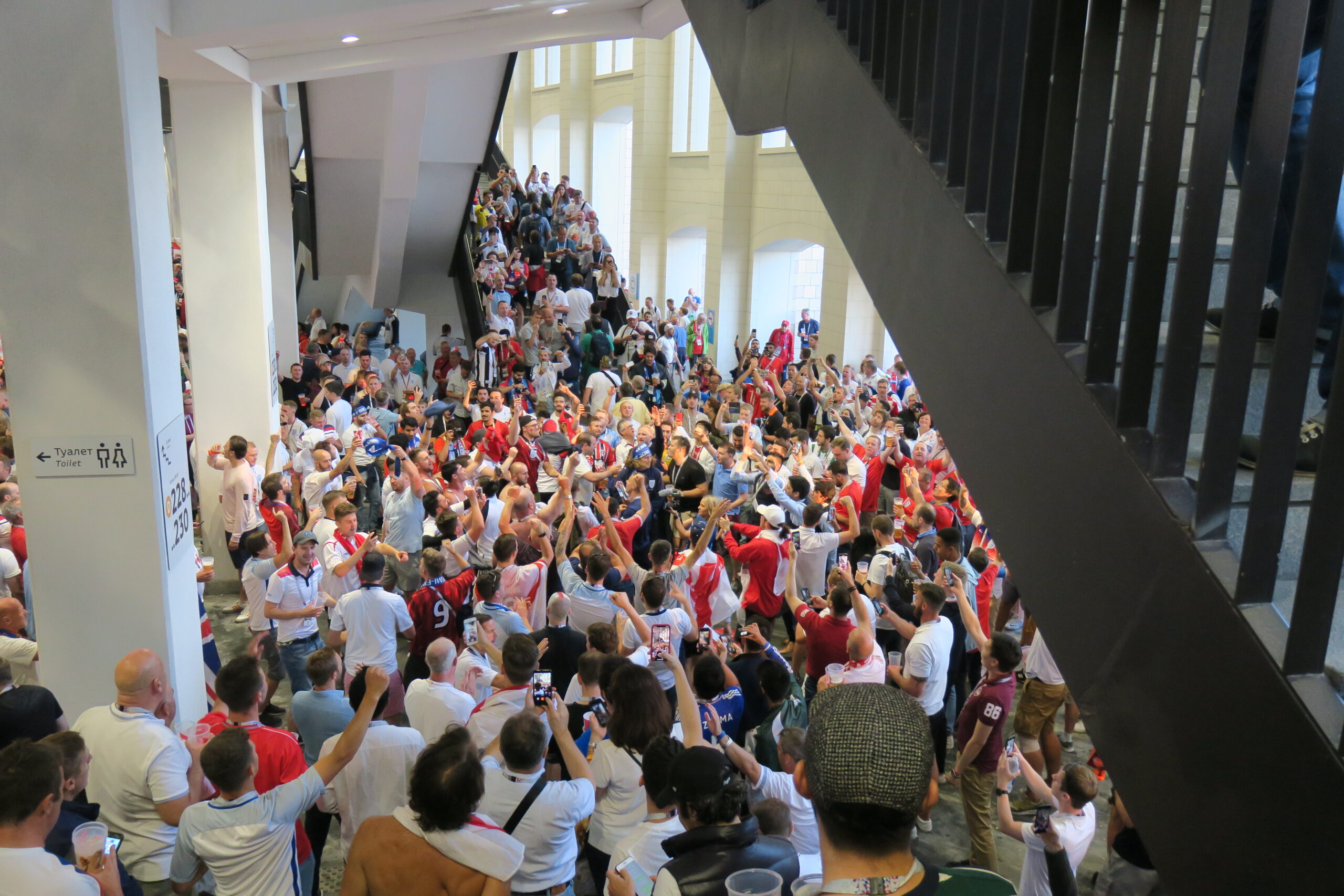
Heading to a game on the subway in Moscow, Russia
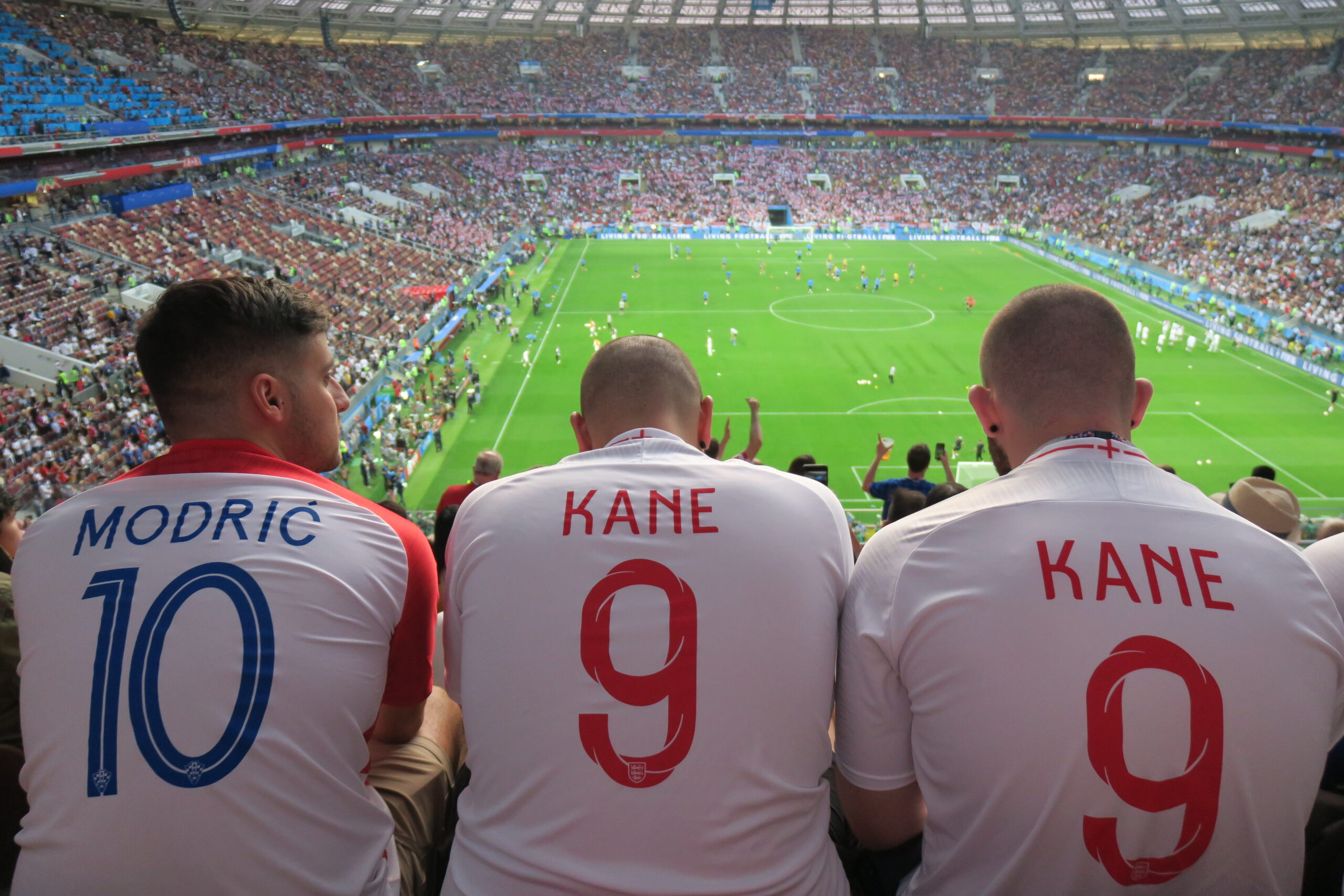
Watching a World Cup match in St. Petersburg, Russia

Party zone for World Cup, next to the Kremlin, Moscow, Russia
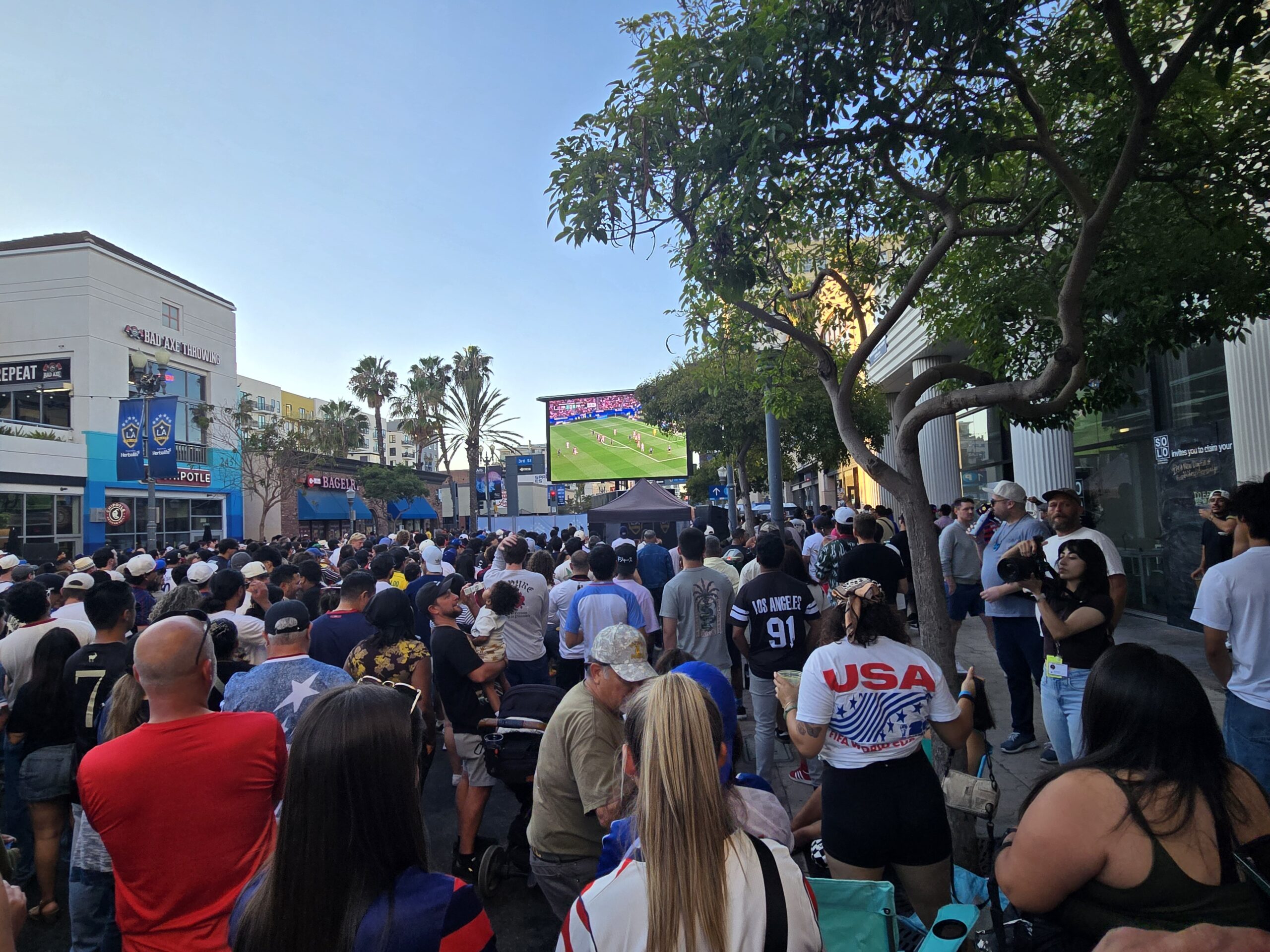
Fans gather to watch the USA in action in the 2026 World Cup, Long Beach. California, USA
My love of football began long before the advent of live television broadcasts. It was 1970, and I was in middle school. The games were being played thousands of miles away, but our school principal would listen to the live commentary on shortwave radio at night and post the scores, along with a brief analysis, the following morning. We would rush to the large notice board to read his updates before classes began. Without even knowing exactly where Brazil was, we all knew about Pele and his legendary lifting of the trophy.
Many years later, I took my five-year-old son to watch a World Cup match in Pasadena, California, during the 1994 tournament. It remains an experience neither of us has forgotten and one that we continue to cherish to this day.
Since then, I have traveled to both Brazil and Russia during World Cup tournaments. My wife and I danced with Brazilians, Argentinians, Chileans, and Colombians on Copacabana Beach in Rio de Janeiro while matches were streamed live on gigantic screens. We met people with their faces painted in their national colors from places as diverse as Ghana, Croatia, and Uruguay. We celebrated alongside hundreds of football fans from around the world in the shadow of the Kremlin.
Football is the people’s game. Even though the world is in turmoil today, with wars raging in Europe and the Middle East, the World Cup offers a brief respite. For one month, people can set aside their differences, forget their troubles, and come together in one great global celebration.