How to Reset Your Body Clock:
A Science-Based Strategy
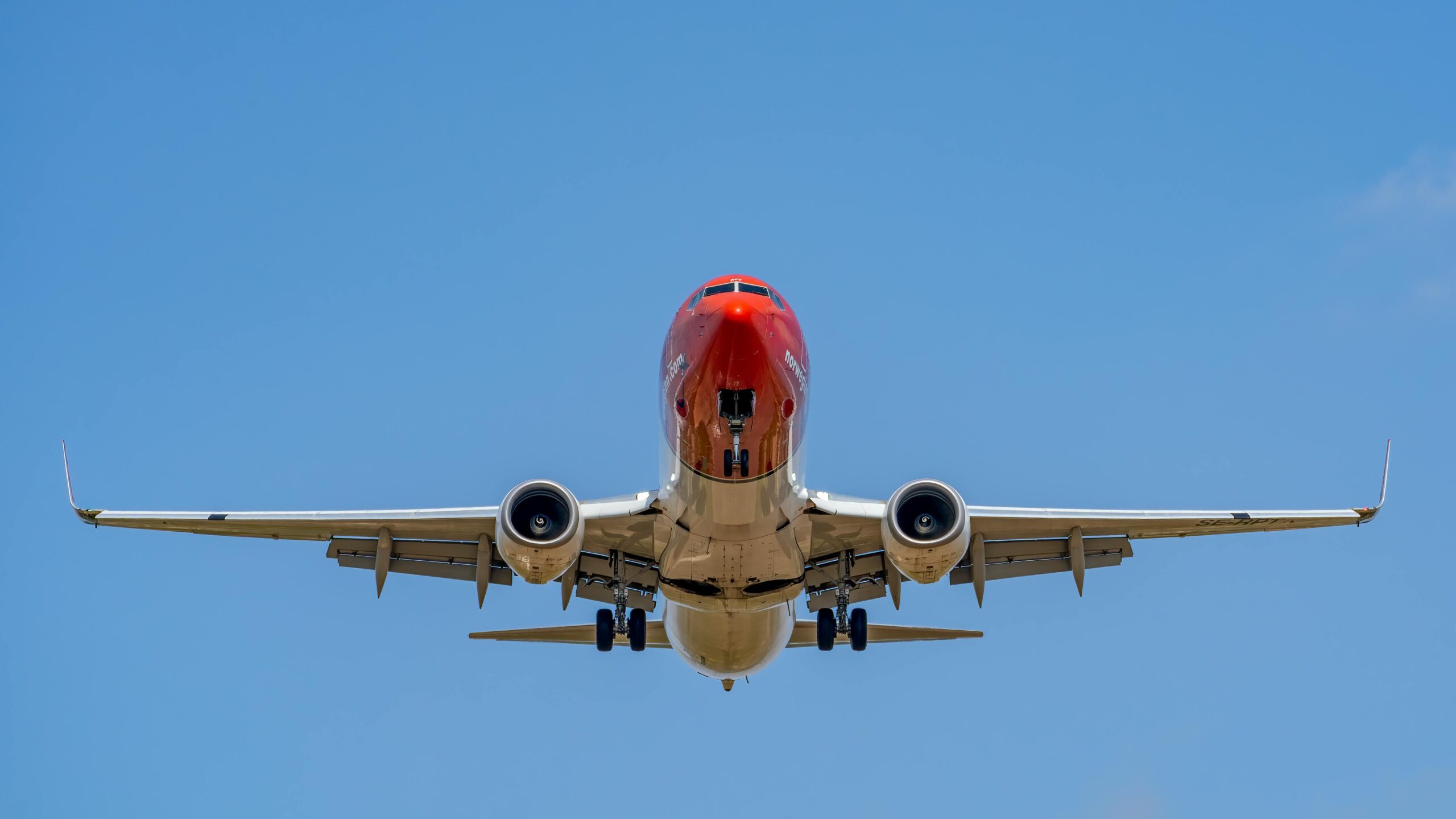
With the explosion of international travel since the 1960s, people are traveling farther and farther to more exotic destinations. As a result, many travelers—especially older adults—find it extremely tiring and disorienting to fly across multiple time zones and arrive with jet lag.
So what exactly is jet lag, and what causes it?

What Is Jet Lag?
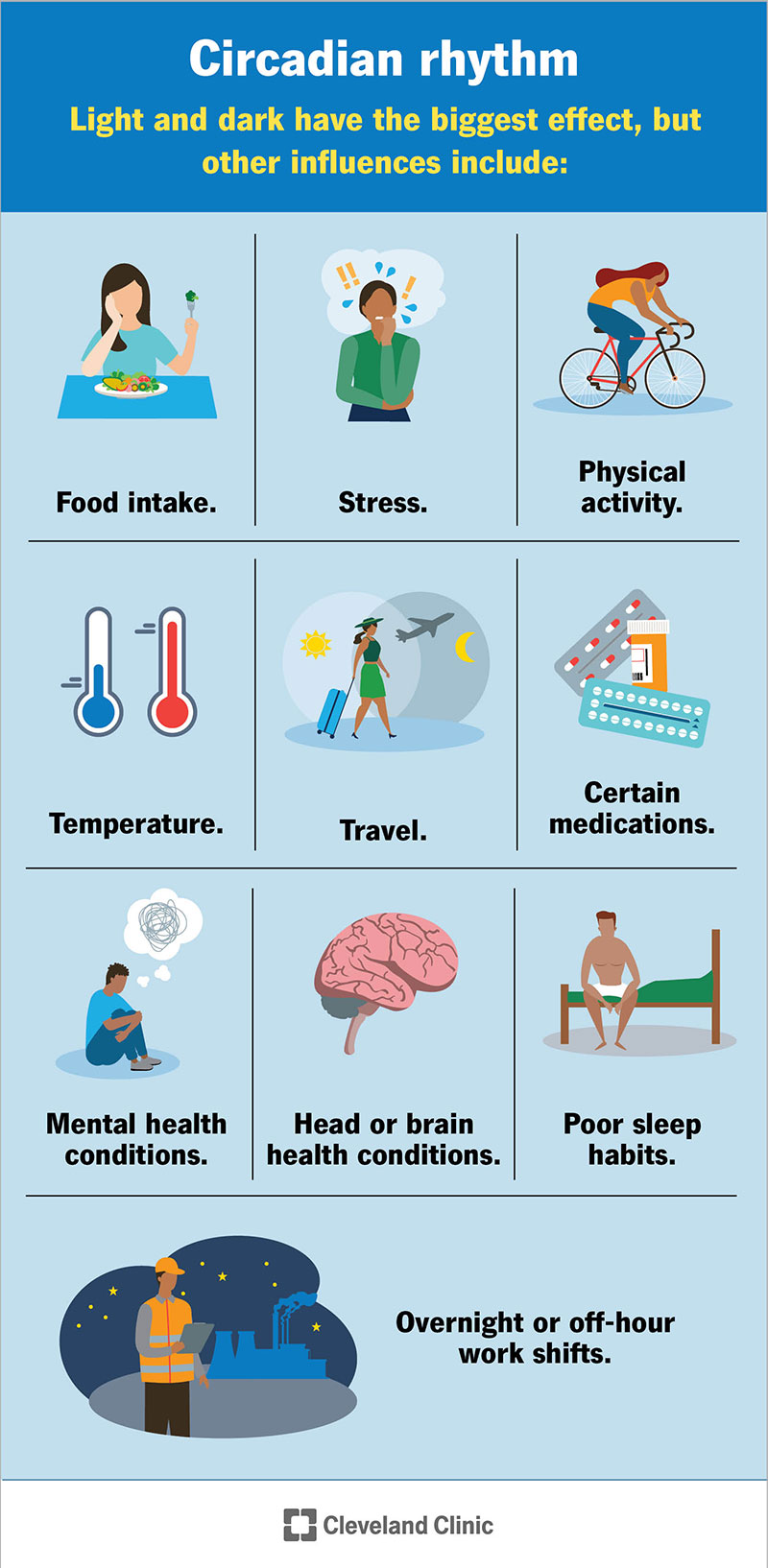
Our bodies have an internal clock called the circadian rhythm, which regulates our sleep–wake cycle and helps keep the body functioning optimally. Traveling long distances across multiple time zones in a short period of time disrupts this rhythm, resulting in jet lag. Jet lag typically occurs when we cross three or more time zones by airplane and can cause insomnia, extreme fatigue, and other symptoms.
What Is the Circadian Rhythm?
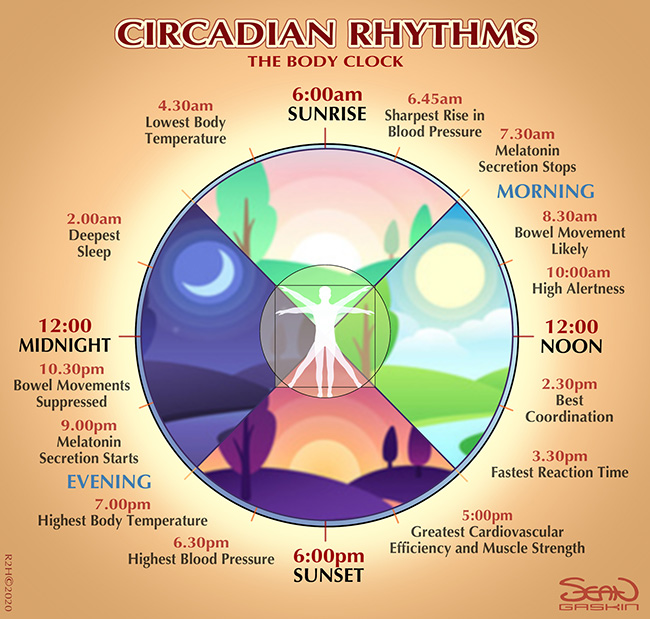
The circadian rhythm is the 24-hour pattern our body follows to determine when to sleep and when to wake. It also influences other essential processes such as digestion, hormone production, and body temperature. You can think of it as a manager inside your body, coordinating biological processes around the clock.
Our circadian rhythm is set naturally by the brain, but external factors—especially light and darkness—play an important role. When light enters the eyes, signals are sent to the brain to stop producing melatonin, a hormone made by the pineal gland that helps regulate sleep.
How Does the Circadian Rhythm Work?
The word circadian comes from Latin: circa (around) and diem (day), meaning “around a day.” This rhythm coordinates physical and mental processes throughout the body and is controlled by an internal clock located in a small cluster of cells in the brain called the suprachiasmatic nucleus (SCN). The SCN sits in the hypothalamus and sends signals throughout the day to regulate bodily functions.
The SCN is highly sensitive to light, which is why circadian rhythms are so closely tied to the day–night cycle. Light exposure directly influences how the SCN coordinates the body’s internal clock.
How to Beat Jet Lag
Now that you understand the science behind jet lag, let’s talk about how to prevent it.
A few important points:
- Jet lag is usually worse when traveling from west to east because you lose time, which makes it harder for your body to adjust. For example, if you fly from the U.S. West Coast to India (a 12.5-hour time difference), you arrive two calendar days later. Leaving Monday evening on a 20-hour flight means arriving Wednesday morning.
- Jet lag often feels worse on the return trip, especially after a vacation. While traveling to a new destination, excitement releases chemicals such as dopamine, norepinephrine, endorphins, and oxytocin, which increase alertness and energy. On the return journey, however, those levels drop as you anticipate returning to daily routines like commuting and work, making it harder to cope with circadian disruption.
I have been traveling internationally for over 30 years, and in the past three years alone I’ve taken 6–12 long-distance trips per year. Despite this, I no longer experience jet lag.
What I’ve learned is that the key is to switch to your destination’s time zone as soon as your trip begins. Let me explain with real examples.
Example 1: Los Angeles to London
London is eight hours ahead of Los Angeles (PST). On a recent flight, I flew Virgin Atlantic, departing LAX at 4:35 PM on Monday. At that moment, it was already 12:35 AM Tuesday in London. The flight lasted 10 hours and 20 minutes and landed in London at 10:55 AM local time.
As soon as I clear security and settle into the lounge, I mentally switch to London time. Once the plane takes off, I’m ready to sleep. I aim for 6–7 hours of sleep, and when I wake up, we’re only a couple of hours from landing.
After arriving in London, I avoid naps entirely, no matter how tired I feel. I go to bed around 10 PM on the first night—and every night after—which matches my normal bedtime at home.
Falling asleep on an airplane can be difficult, especially when it’s earlier than your usual bedtime. You may consider a sleep supplement containing melatonin, chamomile, valerian root, or magnesium, or a low-dose over-the-counter sleep aid (such as Unisom). Avoid prescription sleeping pills, as they can severely disrupt your sleep rhythm. I personally stopped taking Ambien decades ago after a bad experience.
Other helpful strategies include using an eye mask, noise-canceling headphones, and listening to soothing music or a boring audiobook or podcast. If you don’t have headphones, ask the flight attendant for earplugs—many airlines provide them for free.
Example 2: Los Angeles to Singapore
This is a much longer flight and one I’ve taken twice this year. Singapore is 16 hours ahead of Los Angeles. The Singapore Airlines flight departs LAX at 10:05 PM Monday, when it’s already 2:05 PM Tuesday in Singapore. The flight lasts a grueling 17 hours and 50 minutes.
On this flight, I stay awake for the first eight hours, until it’s 10 PM in Singapore. This can be challenging since the flight leaves at my usual bedtime, but long-haul flights offer plenty of entertainment—movies, TV shows, sports, podcasts, games, and audiobooks—to help pass the time.
Once it’s 10 PM in Singapore, I go to sleep. If I sleep for about eight hours, I wake up just a couple of hours before landing. The flight arrives in Singapore at 7:55 AM Wednesday. No matter how tired I feel, I do not sleep again until 10 PM local time that night.
Final Tips
In addition to this time-zone-adjustment strategy:
- Get a good night’s sleep before your trip
- Limit caffeine and alcohol
- Stay well hydrated
- Get up and walk around during the flight
Follow this method, and you can enjoy every trip to the fullest—no matter how far you travel. And keep traveling.
Acknowledgment: Some information on circadian rhythm was obtained from the Cleveland Clinic’s website.
Watch my YouTube video on beating Jet Lag on my YouTube channel: https://www.youtube.com/@TravelswithSam-LB