A life interrupted
She sat motionless, gazing into the dark corner where the walls met the ceiling, seemingly unaware of our presence when I first encountered her. Her lips were fixed in a permanent sneer, and her lifeless eyes lent her once-beautiful face an eerie quality.
“Hope!” I called out, trying to elicit any response. “Hope!” I shouted into her ear, but she remained unresponsive, her bright blue eyes fixed on the distant corner of the room. Despite gentle shakes and soft touches, she didn’t budge, lost in a world invisible to us.
“She doesn’t respond at all, not even to me,” her mother sighed, a middle-aged woman seated nearby.
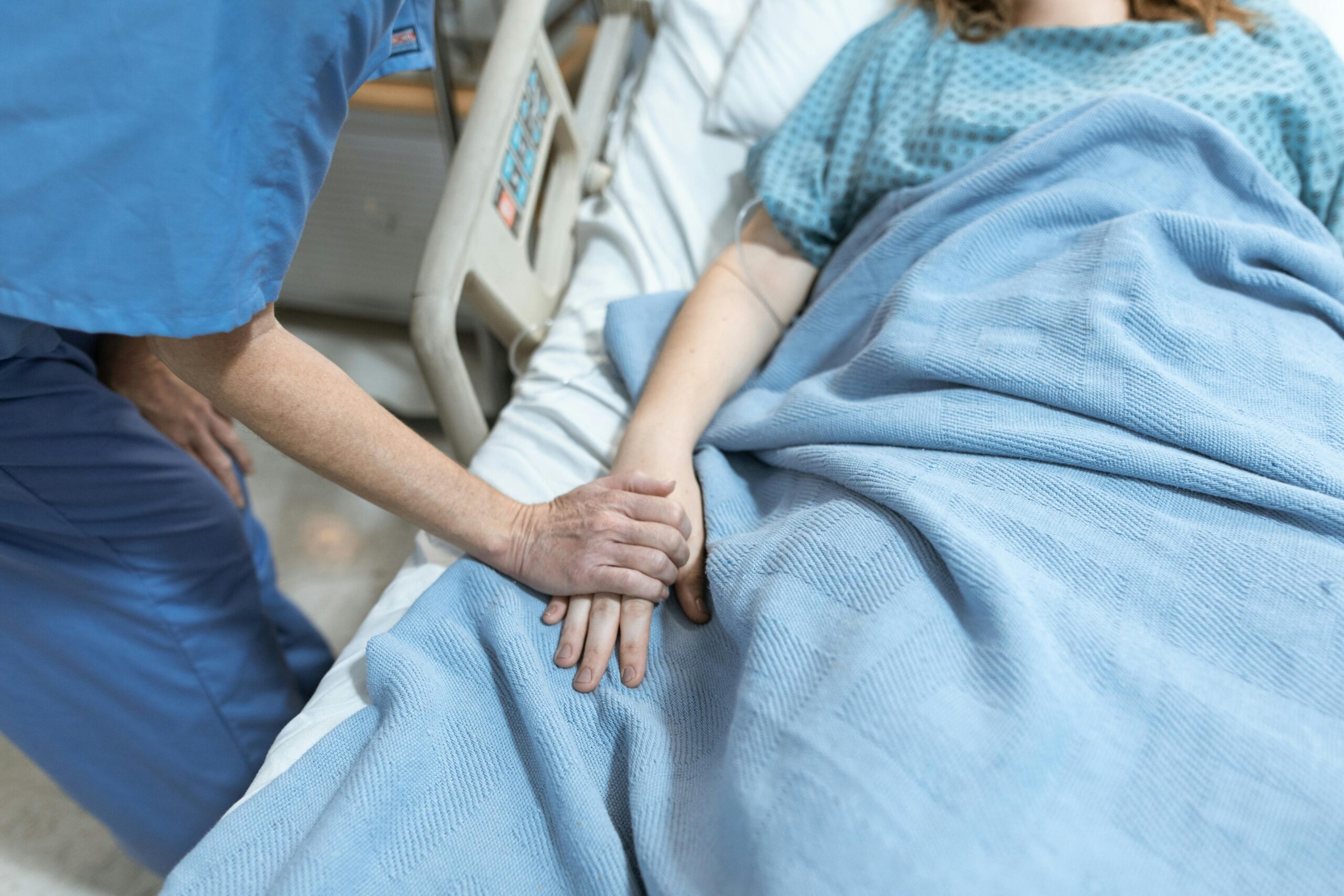
Hope had been admitted the previous night to a small nursing home, transferred from a rehabilitation hospital over a hundred miles away, where she had spent her last two birthdays. I had studied her extensive medical records before visiting, a thick stack that narrated her story. I felt a personal connection, reminded of my own son, just a few years younger than Hope.
Only eighteen, she had been a star soccer player with dreams of joining the US Olympic team. Playing for both her high school varsity team and a local club, she excelled as an attacking midfielder, setting records for her school. College scholarships were within reach until fate intervened during a tournament in the Inland Empire, causing her to collapse suddenly.
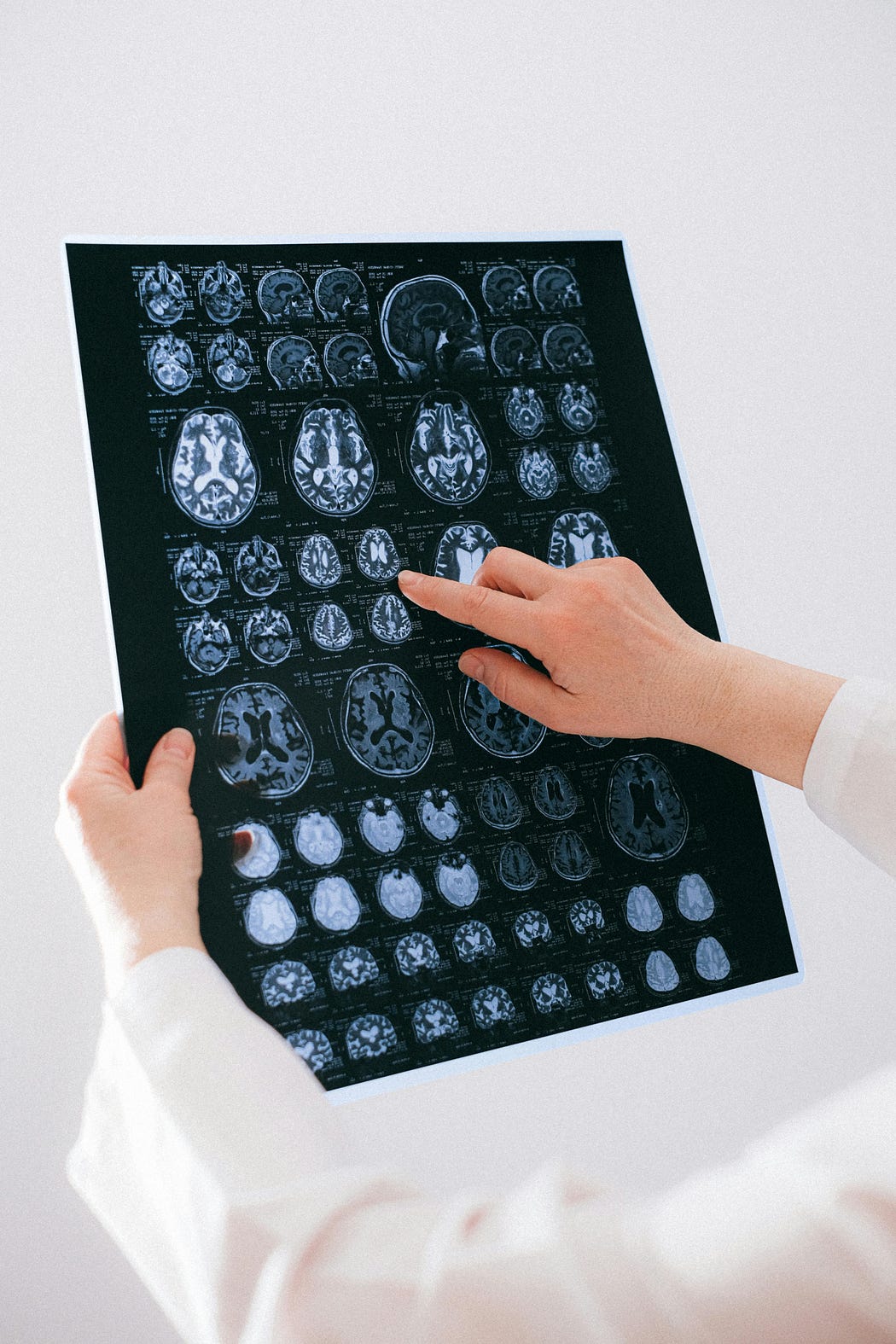
Diagnosed with a severe intracranial hemorrhage from a congenital arteriovenous malformation, Hope underwent emergency neurosurgery. Despite efforts, she never regained consciousness. Weeks in the hospital followed by years of rehabilitation yielded no improvement. Now, in a nursing home, she faced a life in a persistent vegetative state — completely paralyzed on her left side, fed through a tube, and breathing with assistance.
“I wanted to bring her home,” her mother confided, gently stroking Hope’s hair, “but with three young children and work, this place allows me to check on her even during lunch breaks.”
Hope was the youngest resident in a home predominantly filled with elderly patients, many battling dementia and other ailments. Over months of visits, I learned more about her through conversations with her mother and glimpses into her past — photos on the wall captured moments of her vibrant life, stark against her current condition.
She always clutched a plush toy, a comforting presence amidst her otherwise motionless form. Could she understand us? Could she hear or see, hidden behind those unresponsive eyes? The limits of medical technology left these questions unanswered.
Among other patients, I cared for an ex-Marine injured decades ago, now confined to a wheelchair, and a young man left partially paralyzed after a similar brain hemorrhage. Each case carried its own tragedy, but none resonated like Hope’s.
Her story stays with me. A once-bright future now confined to a dim room in a nursing home. Does she dream? Does her damaged mind wander? Sometimes, her eyes meet mine briefly, a fleeting spark of recognition before fading back into emptiness.