Eating, Drinking, and Discovering Indigenous Culture in the Fascinating Town of Oaxaca, Mexico
(This essay was published in GoWorldTravel and you can read it here: Oaxaca, Mexico: Land of Mezcal, Mole and Ancient Ruins)
I dipped a small piece of tortilla into the thick, dark sauce and took a bite. Flavors I had never tasted before exploded on my palate, immediately transporting me to another place and time. We were sitting at the counter of a small restaurant inside the Mercado 20 de Noviembre in Oaxaca, Mexico. The complex taste of the Mole Negro I was savoring is difficult to describe. This wasn’t the semi-sweet, chocolaty sauce common in many Mexican restaurants in the U.S., but a rich, intricate blend made from dried chiles, nuts, bananas, chocolate, sesame seeds, garlic, raisins, and warm spices.
Food Markets, Chapulines, and Mole
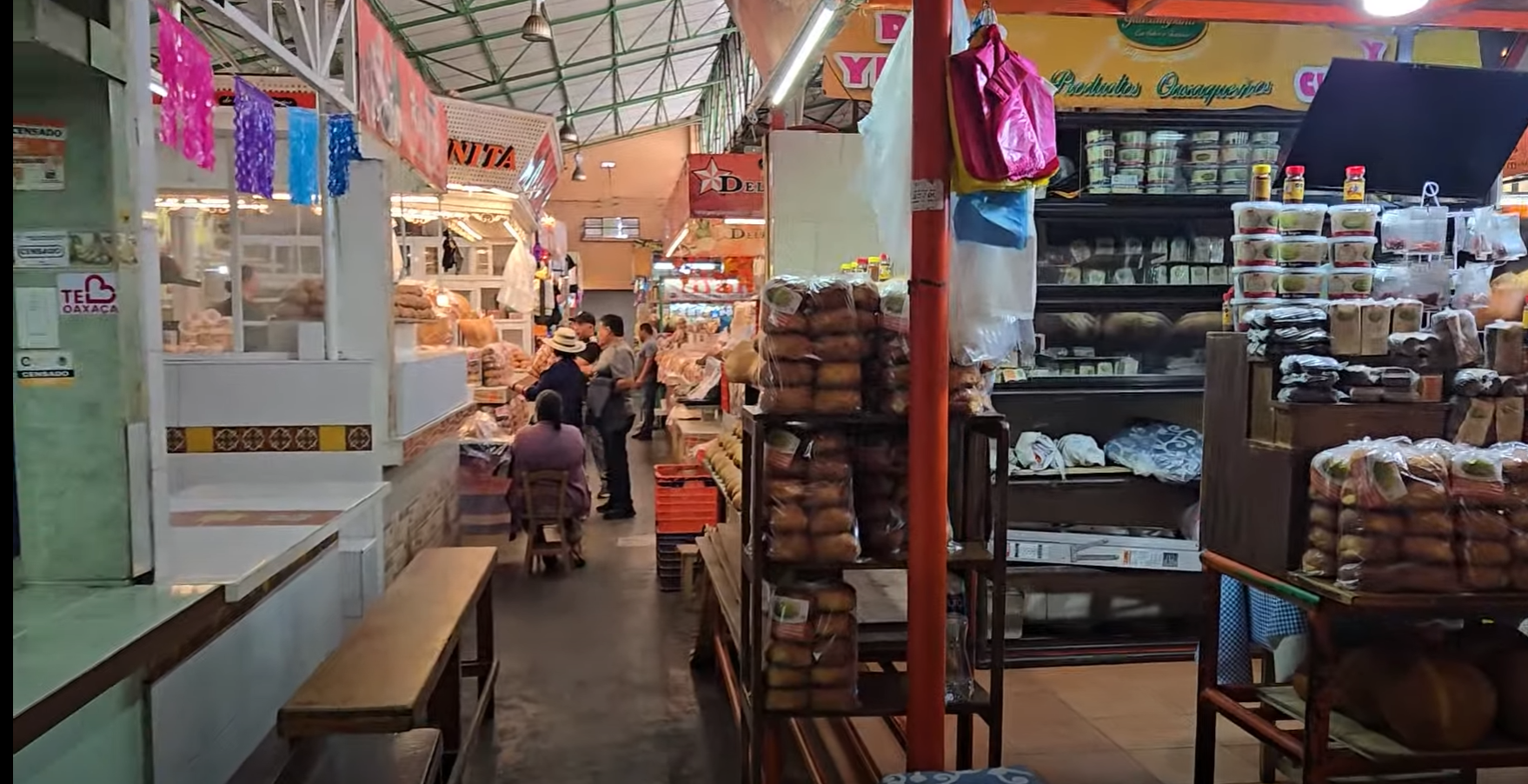
Earlier that morning, we had walked past mounds of chapulines (fried grasshoppers) stacked in colorful woven baskets and bins overflowing with dried red chiles, weaving through the thronging crowds before sitting down to eat. We were on a guided food tour of the city that had begun just outside the market, where we met our local guide.
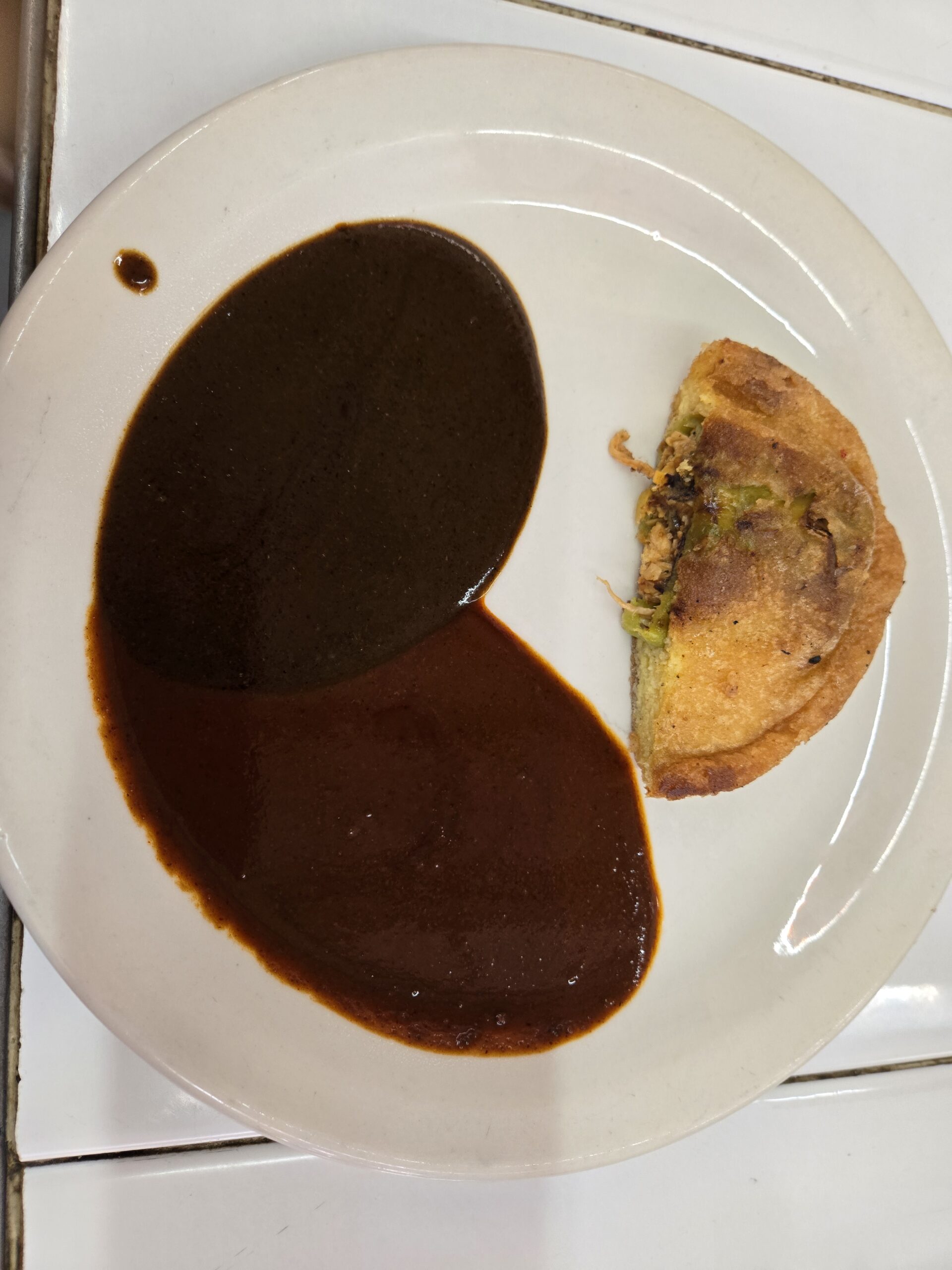
The word mole comes from the Nahuatl word molli. Oaxaca is known for having seven classic types of mole—and thousands of variations. In fact, every household has its own version. These sauces, developed over thousands of years, originally featured indigenous ingredients like tomatoes, chiles, squash seeds, herbs, and fruits. Over time, especially during and after colonialism, they evolved to include almonds, sesame seeds, garlic, and raisins, among others.
After the Mole Negro, we tried a vibrant Mole Verde, made with fresh herbs and pumpkin seeds. It tasted completely different—herbaceous and slightly tangy—but was equally delicious. Our three-hour food tour ended at a rooftop restaurant at the base of a hill overlooking the city. There, we feasted on tamales filled with savory chicken and topped with a delicate Mole Amarillo, made with tomatoes, tomatillos, squash, onions, garlic, cinnamon, oregano, cumin, and tarragon. Each mole had its own personality and flavor profile.
Indigenous Culture and Monte Albán
Oaxaca, a coastal state about 300 miles south of Mexico City, is home to more than 15 indigenous groups, including the Zapotecs and Mixtecs, who speak over 16 languages. Their origins date back more than 2,500 years. More than half the population does not speak Spanish as their primary language. The city itself is surrounded by mountains rich with archaeological ruins, including Monte Albán, founded around 500 BC.
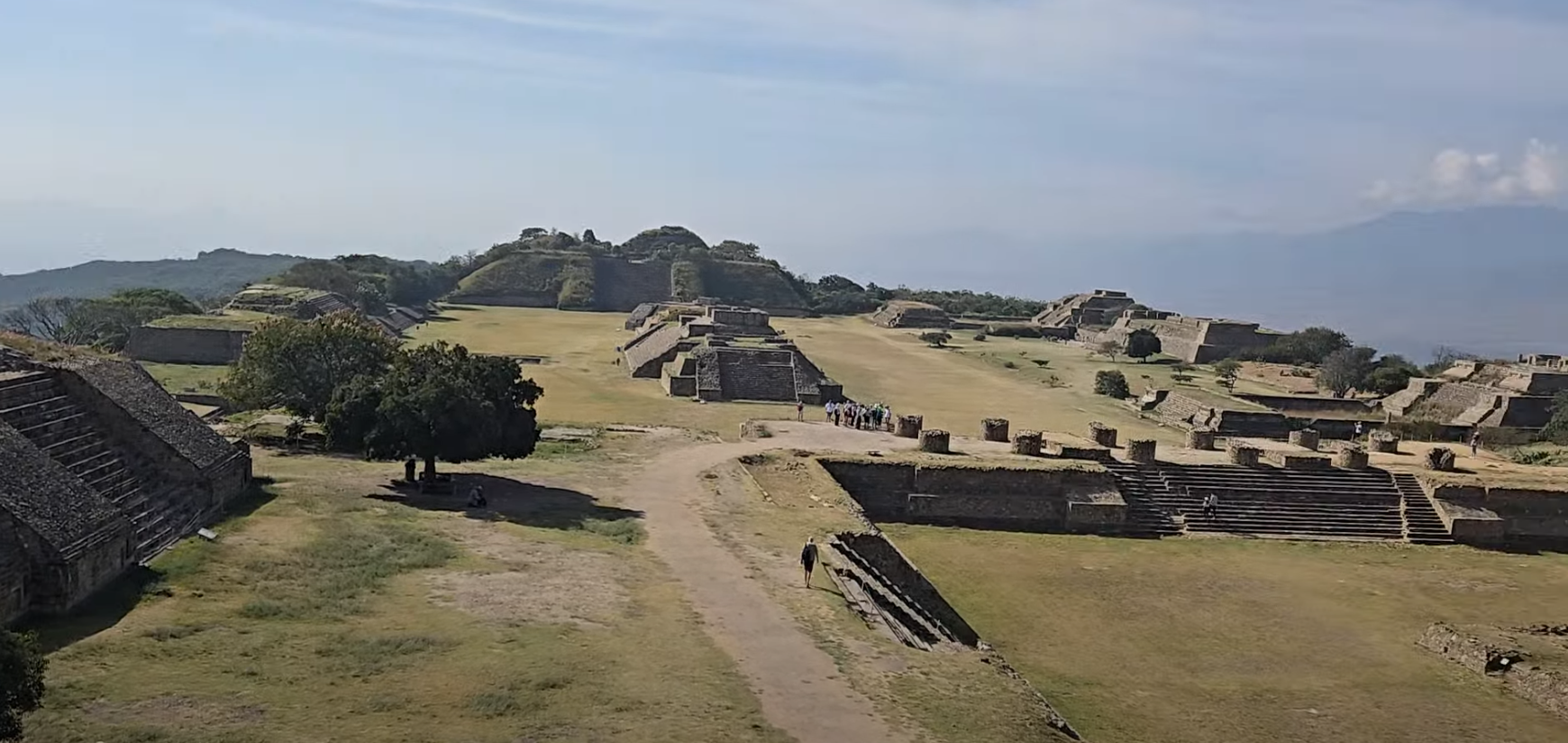
We took a guided tour of the ancient ruins of Monte Albán the following morning. It’s a short drive from the city center and up the mountain. We spent a few hours walking through the excavated ruins, as our local guide explained in detail what we were seeing. The impressive large central plaza is surrounded by temple mounds with staircases. Large carved monuments dot the site. It is possible to enter some of the excavated houses, though the staircases are narrow and steep, and the interiors are claustrophobic. There is a small museum, cafeteria, and facilities at the site.
Mezcal Tour
The following morning, we drove north into the countryside to taste mezcal. After an hour-long drive, we arrived at a mezcalería, a small distillery. Mezcal—a smokier cousin of the more well-known tequila—is, in my opinion, far more flavorful. It’s made from the heart (piña) of the agave plant, and Oaxaca produces more than 90% of the world’s mezcal.
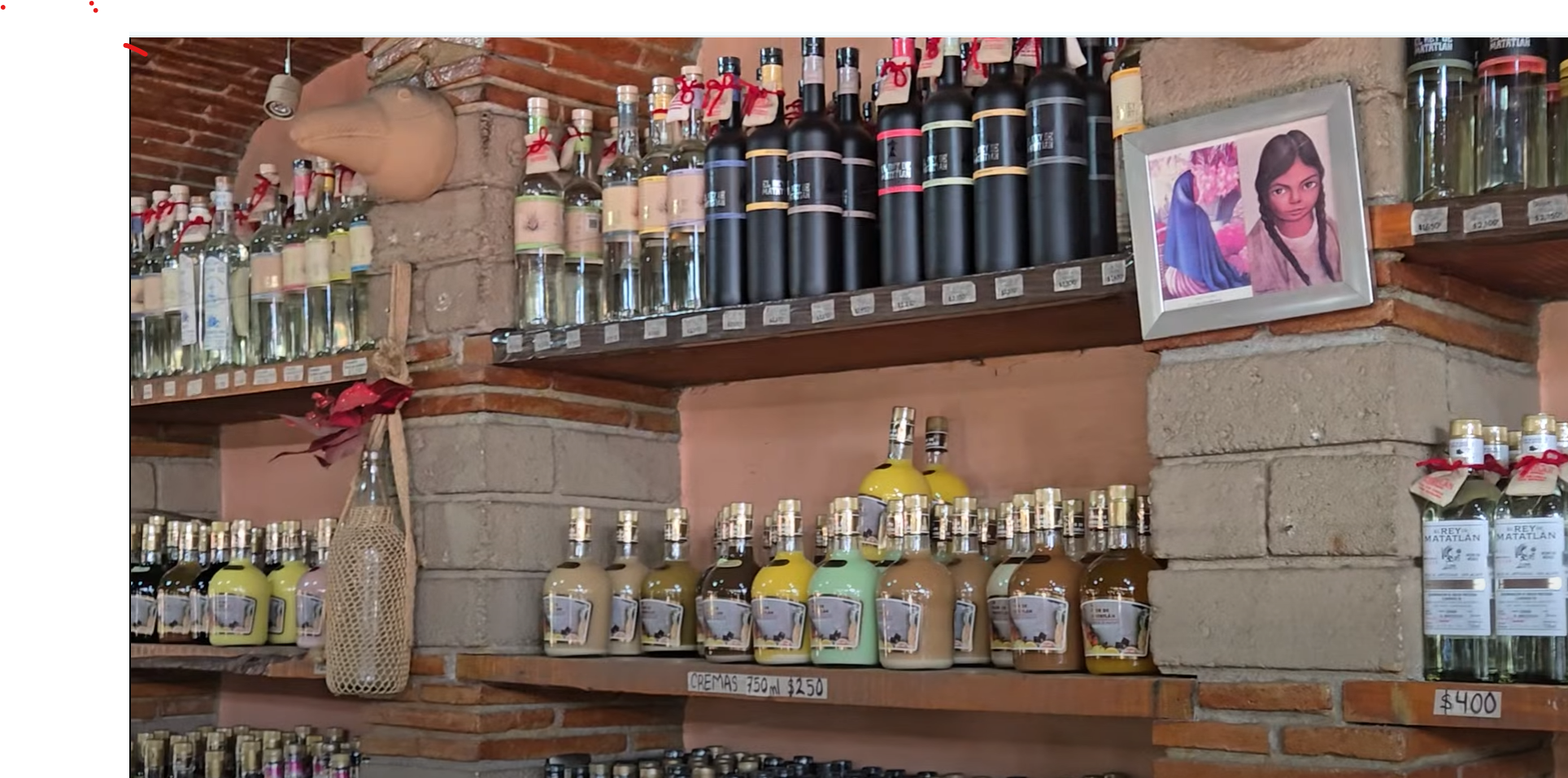
We were introduced to the production process by a local expert. Most mezcalerías are artisanal, family-run operations that produce small batches. Fortunately, large international beverage corporations have yet to take over these traditional distilleries. The agave hearts are cooked in underground pits, crushed by mallets or stone wheels, fermented in wooden vats, and then distilled in wood-fired stills before bottling.
Although pulque (fermented agave sap) has been consumed for thousands of years, the method used to make mezcal was developed after Filipino stills were introduced by sailors and settlers from the Philippines in the mid-1500s.
We gathered around a rustic wooden table and sampled a variety of mezcals. Before each tasting, we were encouraged to eat a salted worm—something I graciously declined. Still, the different mezcals we tasted were excellent, and the experience gave me a new appreciation for this underrated spirit, which remains relatively unknown outside Mexico.
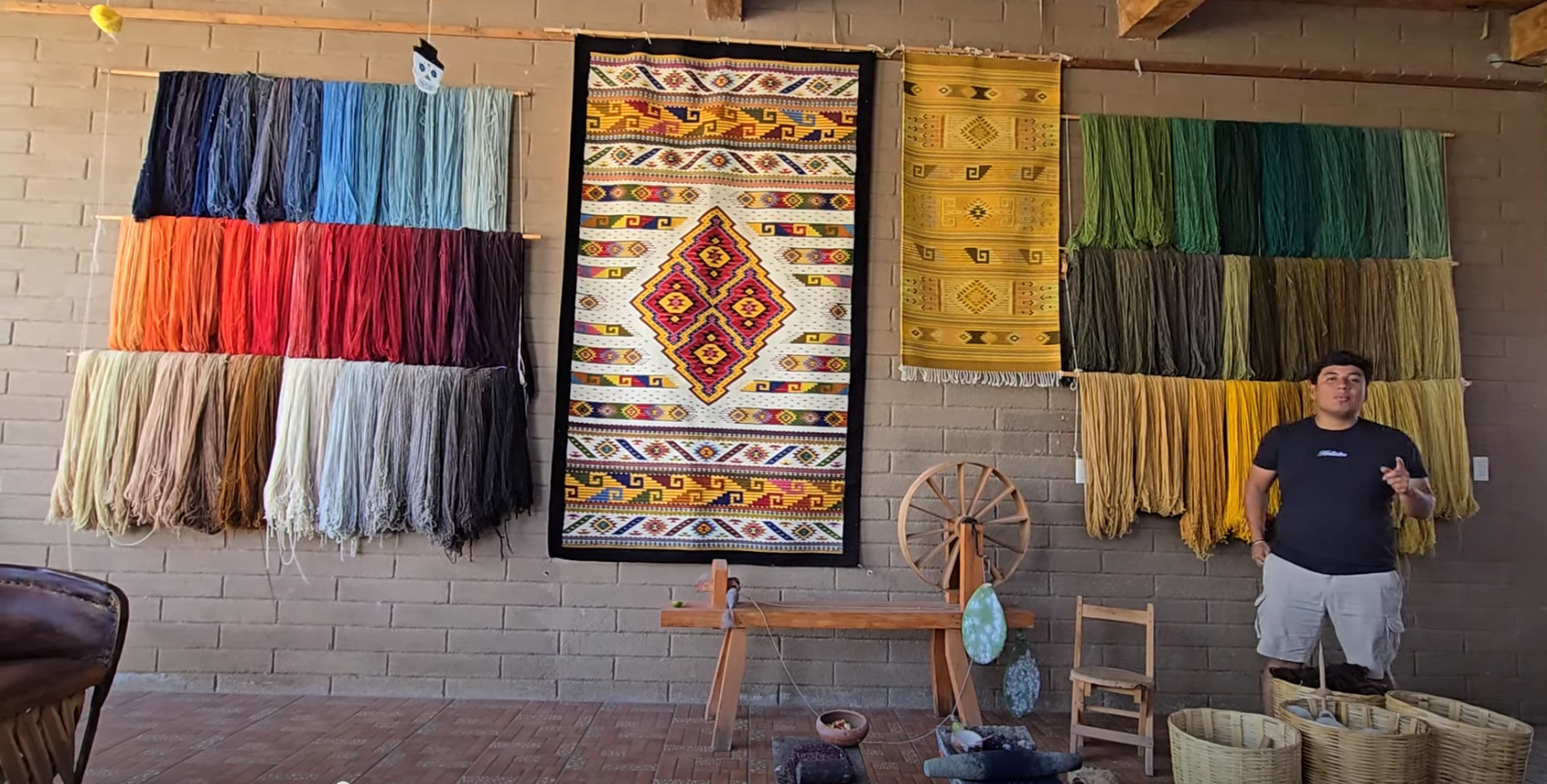
We then drove to the nearby village of Teotitlán del Valle, a famous weaving village. We saw the family weavers dye and weave textiles and make beautiful rugs, handbags, and other accessories. It was a bit touristy, but there was no pressure to buy—and we ended up buying a rug anyway.
Next, we headed to the much-hyped “petrified waterfall” of Hierve el Agua. The highway was excellent, but the drive up the mountain to the site was on a dusty, bumpy road through very poor villages. The site itself turned out to be a total tourist trap.
Michelin-Star Dining
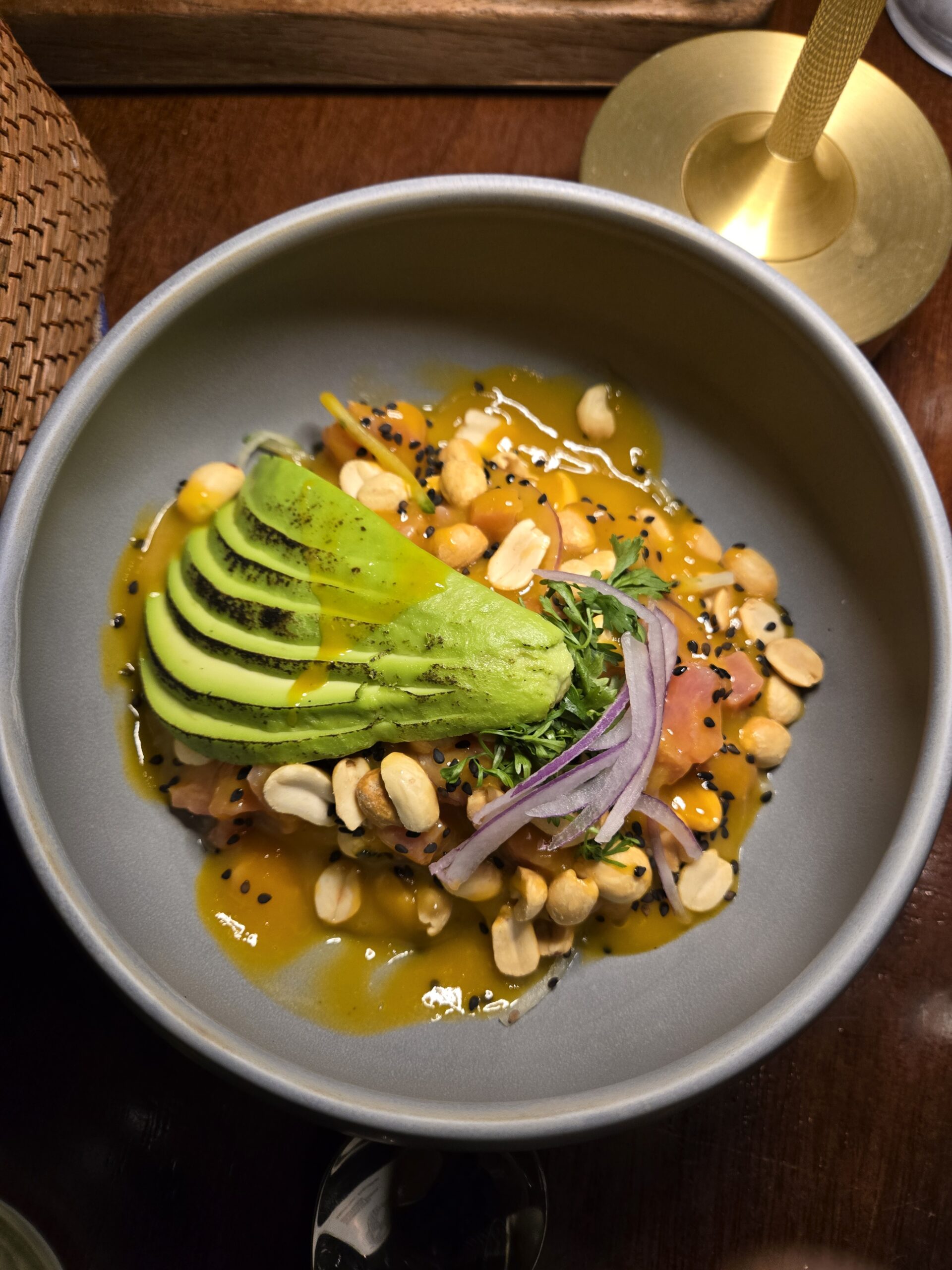
That evening, we dined at Los Danzantes, a Michelin-starred restaurant set in a magical courtyard. The service was impeccable, and the food exquisite. We enjoyed roasted carrots with pink mole, tuna tostadas, ceviche, corn soup, shrimp tlayuda, and the restaurant’s signature “dancing mole”—each dish paired with a different mezcal. It was one of the best meals I’ve ever had—surpassing even the tasting menu at Enrique Olvera’s renowned Pujol in Mexico City, where we had dined a few months earlier.
Over the next few days, we continued exploring Oaxaca’s culinary landscape, eating at restaurants, market stalls, and street vendors around the zócalo (main square). Tlayuda, often referred to as “Oaxacan pizza,” is a thin, crispy tortilla topped with beans, cheese, meats—or occasionally, fried insects. We skipped the insects, but the freshly baked tlayuda was unlike anything else—crunchy, hearty, and deeply satisfying. For breakfast, I fell in love with chilaquiles (tortilla chips topped with cheese, eggs, and salsa), always paired with a steaming cup of Mexican hot chocolate. I ordered it every day.
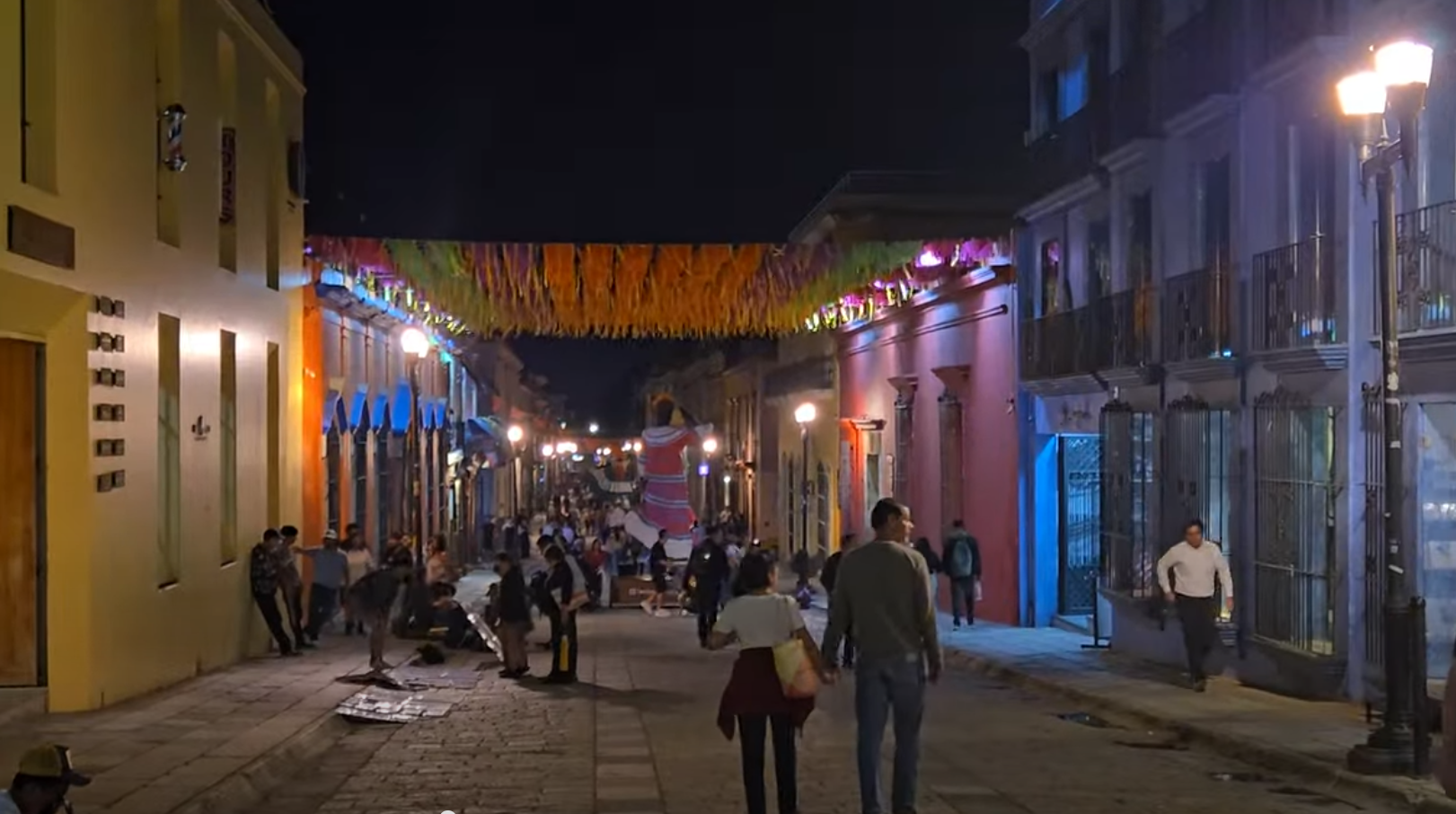
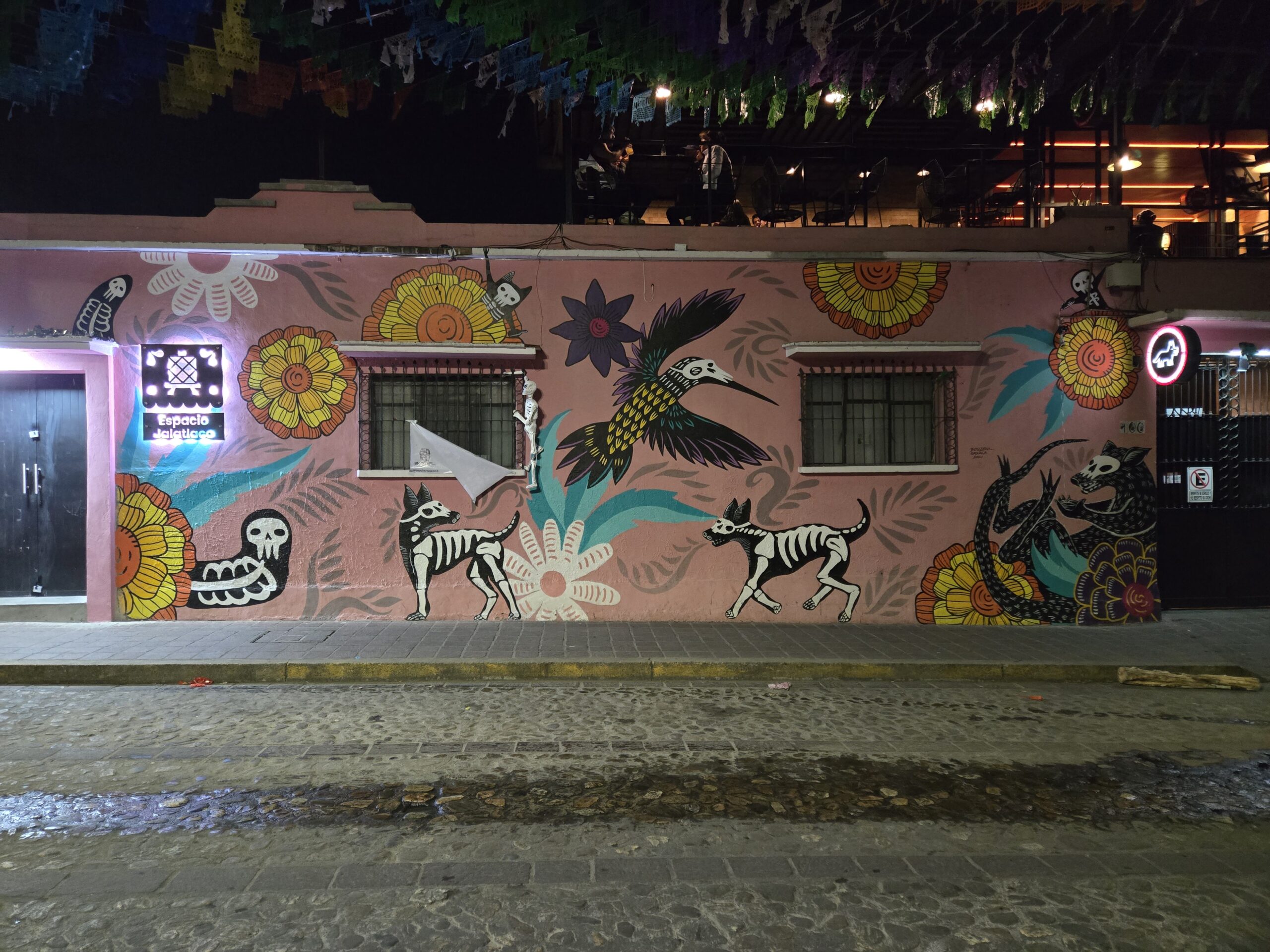
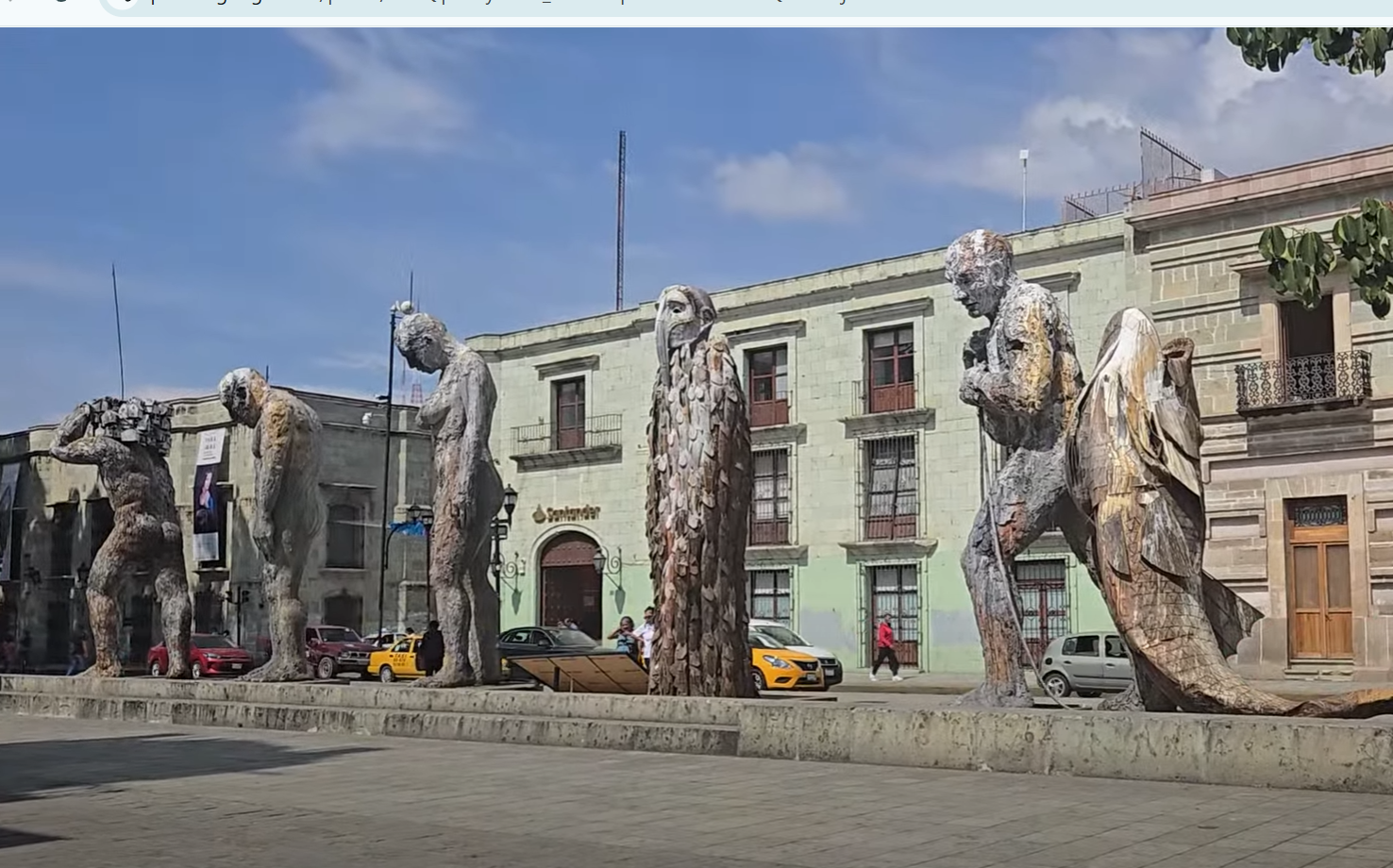
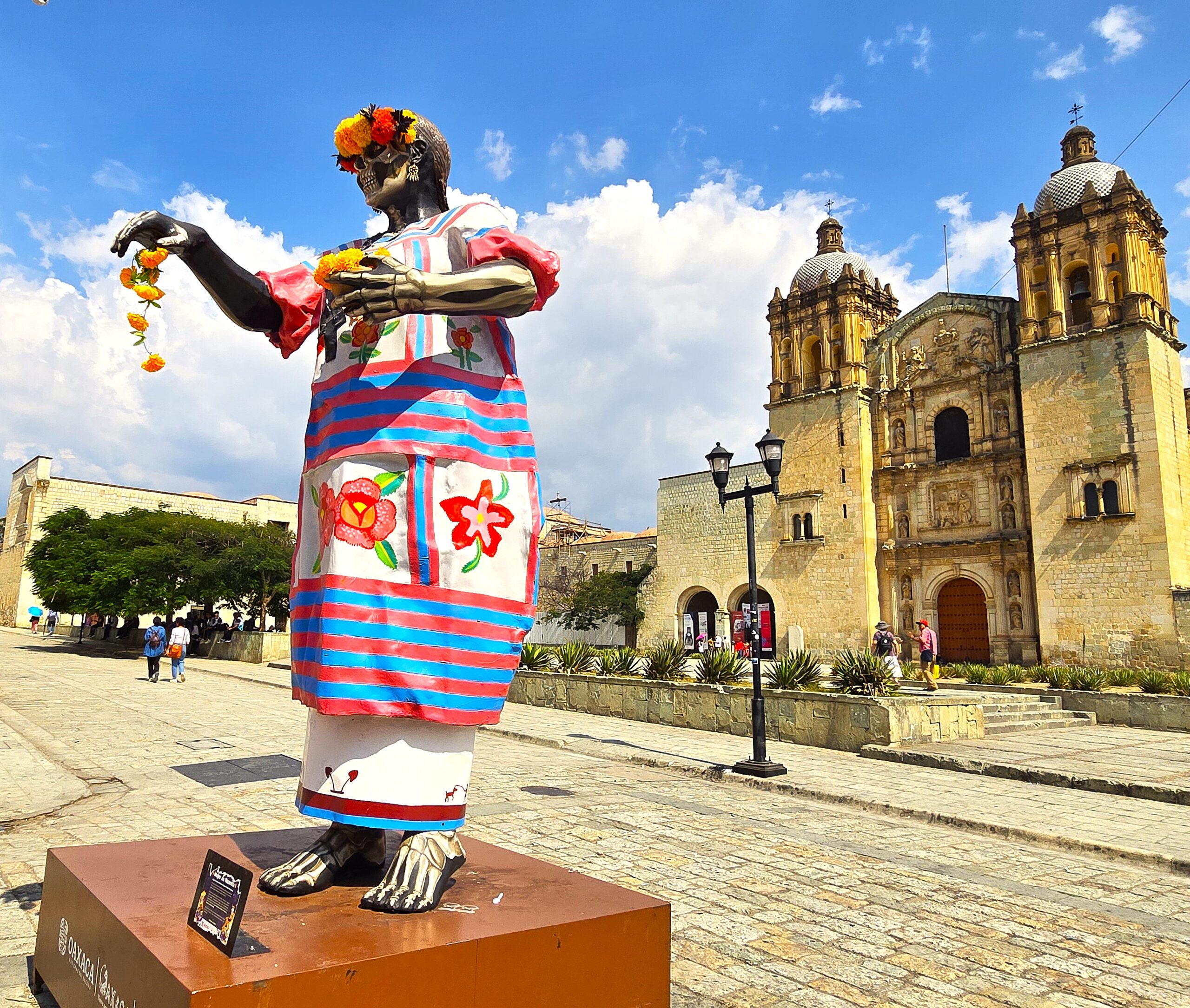
The city is very walkable, with most major sites within a 20-minute walk of the main center. The cobblestone streets, decorated with street art and murals, and the unique low-slung houses make for a very pleasant experience. We arrived in the city a week after the Días de los Muertos (Day of the Dead) celebration, during which time the city is flooded with locals and visitors. We missed the festivities and crowds, but most of the displays were still up, and it felt like walking through an open-air art gallery.
If You Plan to Go
The area has mild weather year-round, but the best times to visit are in spring and fall, avoiding the major festivals which attract large crowds. Oaxaca has direct non-stop flights from Los Angeles and one-stop connections through Mexico City from most major U.S. cities.
Choose a hotel near the center so you can walk everywhere. Uber works well, and your hotel can arrange for guided tours.
Consider doing a cooking class—something we couldn’t do as we ran out of time.
I can’t wait to return to Oaxaca—and next time, I’m determined to muster up the courage to try the chapulines and other insects, because I have a strong feeling I’m missing out on something truly special.