A tale of trade, empire and taste
·
“What would you like to eat?” I asked my friend as we sat down in a restaurant.
“Any curry of your choice is good,” he replied, scanning the multi-page menu — though it offered everything but curry.
We were in one of the most well-known restaurants in Kolkata, India, where I was spending a few weeks on vacation and where he had come to visit from the U.S. for a few days. There were no curries on the menu. I ordered the food I liked, and we had a memorable meal. But the absence of curry lingered in my mind.
Growing up in India, we never used the word curry. Restaurants didn’t list curries on their menus, yet Indian food was synonymous with curry all over the world. That paradox made me curious, and I began to dig into the origins of the word.
The closest words to curry in North Indian languages are kadhi — a yogurt-based, soup-like dish with vegetable dumplings — and kadhai, a wok-like cooking utensil. Curry is believed to have originated from the Tamil (a South Indian language) word kari, loosely meaning sauce. The British interpreted it as “curry” during the early days of the Raj. Quite possibly, any dish that local chefs produced — whether stir-fried or stewed — was labeled a curry.
The name stuck.
The origins of spices
Archaeologists have found that people living in the Indus Valley around 2600 B.C. used mortars and pestles to grind spices such as mustard, fennel, cumin, and black pepper. Evidence also points to the use of turmeric, ginger, and garlic.
By the seventh century A.D., Buddhist monks carried Indian cooking techniques and spices to Burma, Thailand, and China. From there, the flavors spread to Indonesia, Malaysia, and the Philippines through trade routes.
Curry travels the world
The Portuguese established a trading post in Goa on India’s western coast in 1510 and brought with them chili peppers, tomatoes, and potatoes from the Americas.
Culinary historian Lizzie Collingham, in her book Curry: A Tale of Cooks and Conquerors, notes that:
the idea of a curry is, in fact, a concept that the Europeans imposed on India’s food culture. Indians referred to their different dishes by specific names… but the British lumped all these together under the heading of curry.
Sejal Sukhadwala, author of The Philosophy of Curry, adds that the Portuguese first adapted the Tamil word kari as caril. Its plural form, curree, eventually evolved into “curry” by the time it reached the British. As she writes that they failed to grasp the country’s culinary nuances and clumsily mashed together different techniques and cultural traditions.
Indian food, like all cuisines, has been shaped by multiple influences. Arab traders, Persian and Mughal conquerors, as well as Jewish settlers, brought their own traditions. Persians and Central Asians introduced the tandoor, now indispensable in Indian restaurants worldwide. Tandoori chicken and naan — both cooked in the tandoor — remain some of the most recognizable Indian dishes across the globe.
During the British Raj, many British men lived as bachelors with local mistresses and relied on cooks who transformed bland boiled meats by adding spices and aromatics. Dishes like cutlets and fried fish were infused with ginger, garlic, and other flavors.
Say no to curry powder
The infamous “curry powder” was another British invention. When Queen Victoria was crowned, an Indian cook was sent to her as a gift. She developed a fondness for curry, sparking a surge in its popularity throughout Britain.
No Indian cook would use a pre-mixed spice blend. Traditionally, each spice is toasted, ground, and added at different stages of cooking. To simplify this time-consuming method, commercial spice blends were developed at the end of the 18th century.
Japan’s national dish
In the late 1800s, during the Meiji Restoration, Japan opened to the outside world. Portuguese traders, British-Indian officers, and missionaries introduced curry, which quickly became Japan’s national dish. To make it easier for home cooks, the now-famous curry brick — like Vermont Curry — was developed.
After the abolition of slavery, thousands of Indian indentured laborers carried curry to sugar plantations in the Caribbean and the Americas. Others introduced it to British colonies in East and South Africa, and to Portuguese colonies in West Africa.
Ironically, some of today’s most popular “Indian” dishes were actually created in Britain. Chicken Tikka Masala and Balti Chicken both originated in London. Even Vindaloo, often associated with fiery Goan cuisine, is actually a fusion of Portuguese Vinha d’alhos.
A dish with many journeys
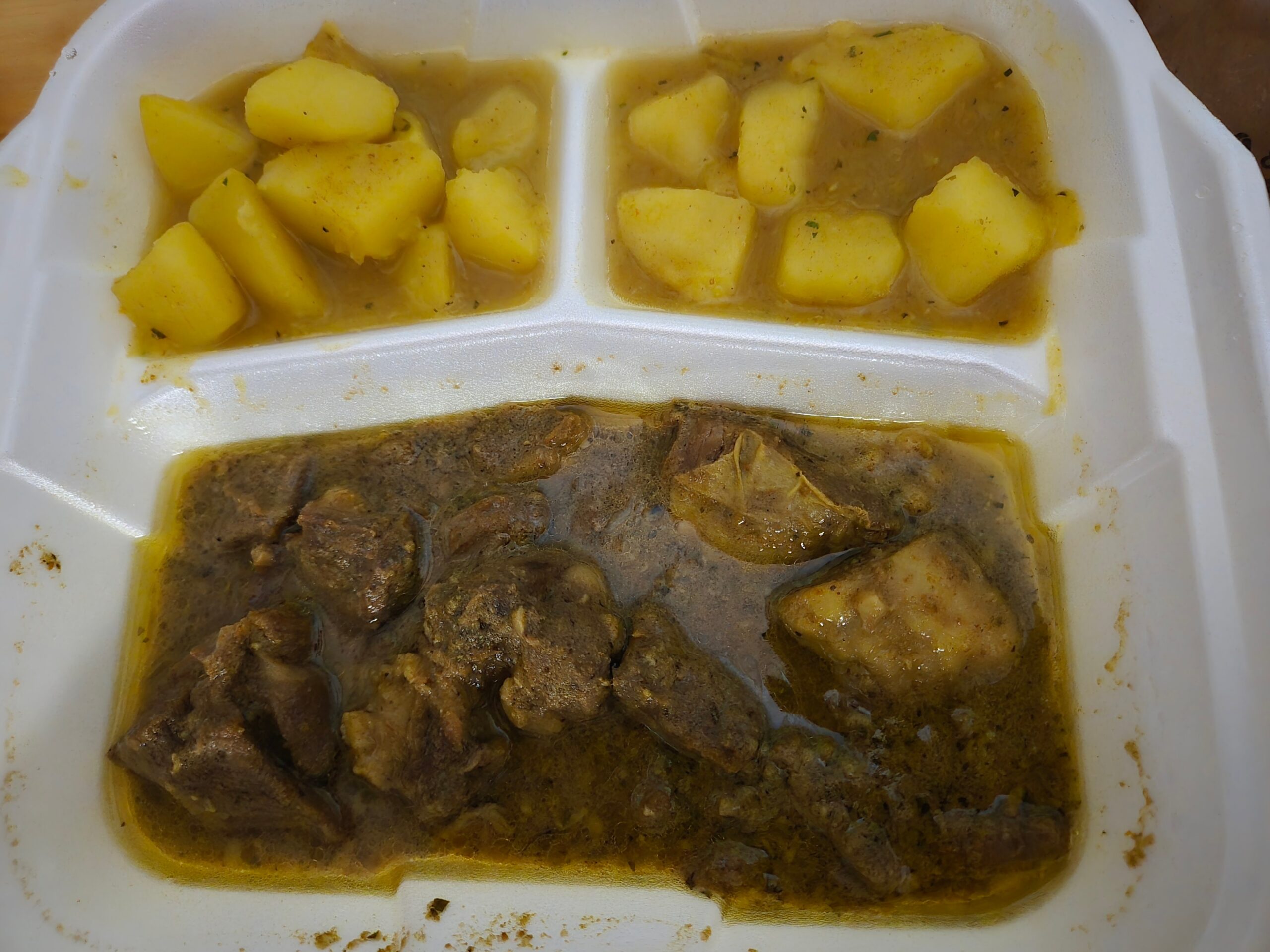
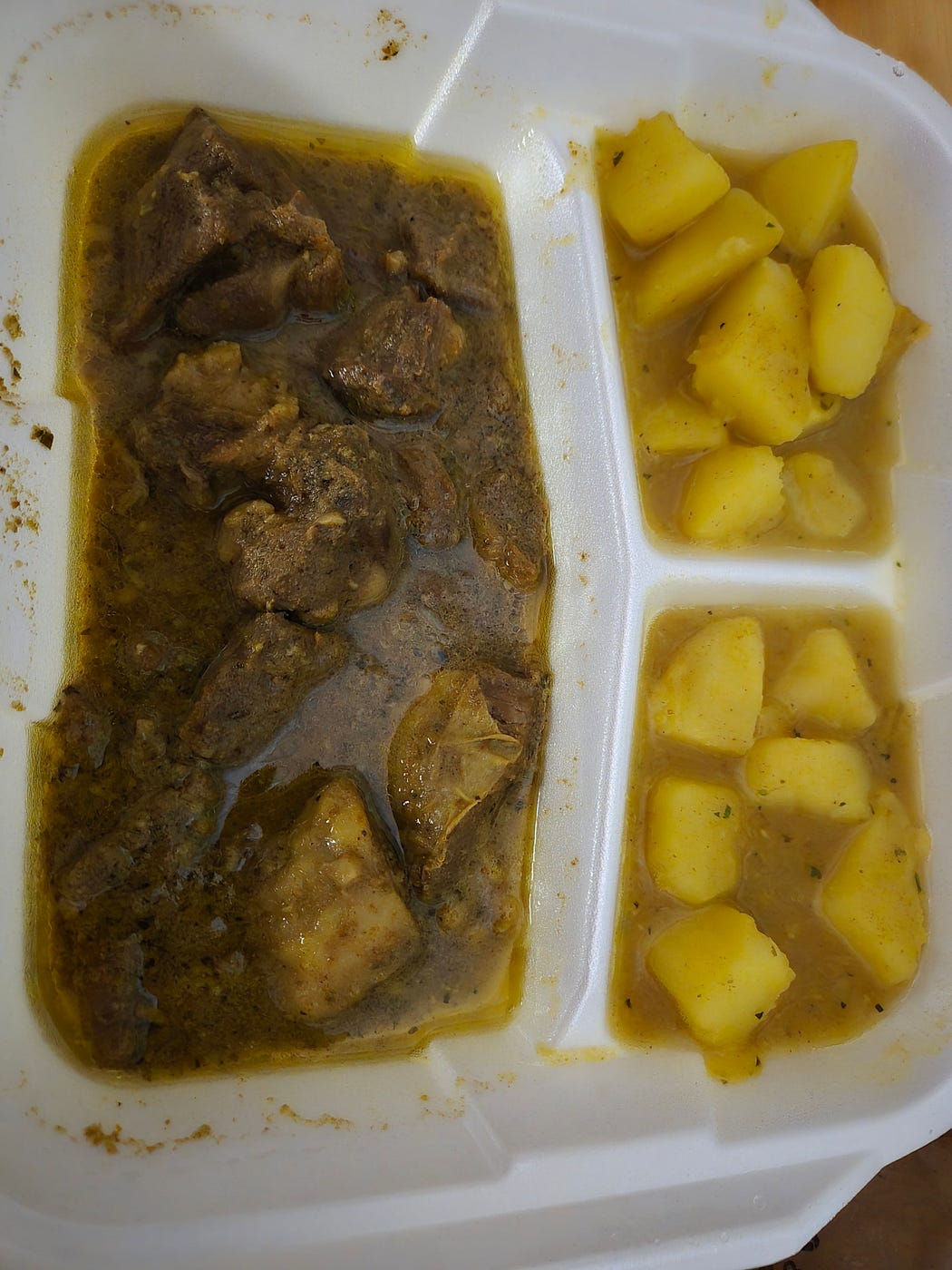
I’ve tasted curry all over the world — from goat curry in Trinidad to fiery bowls in Thailand. The next time you order curry at a restaurant, pause for a moment. Think about the long, layered journey that brought this dish from the Indus Valley, through colonial trade routes and imperial kitchens, to your plate — before you take that first bite.




5 responses to “The Curious Origins of One of the World’s Most Popular Dishes — Curry”
La claridad en tu publicación es excelente y puedo asumir que eres un experto en este tema.
Gracias
My brother suggested I might like this website He was totally right This post actually made my day You cannt imagine just how much time I had spent for this information Thanks
Thank you.
Normally I do not read article on blogs however I would like to say that this writeup very forced me to try and do so Your writing style has been amazed me Thanks quite great post