From welcoming loved ones at the arrival gate to navigating a world of heightened security
I remember waiting just outside the arrival gate at LAX (Los Angeles International Airport), watching as an arriving plane docked at the terminal and passengers began streaming out. We would eagerly wait for our loved ones, searching the crowd for a familiar face. The moment we spotted them, we would wave, smile, and rush forward to embrace them. There was something deeply personal and welcoming about meeting someone at the gate. Airports were not merely places where people arrived and departed; they were places where families reunited, friendships were renewed, and emotions were freely expressed.
Those days disappeared after September 11, 2001.
The terrorist attacks on 9/11 changed air travel in the United States and around the world forever. Security procedures became more stringent, access to airport terminals was restricted, and the casual experience of greeting someone at the arrival gate became a thing of the past. The freedom to walk toward an arriving passenger, help with their luggage, or simply stand nearby and share the excitement of their arrival was replaced by security barriers and restricted access.
The changes were understandable. The attacks had demonstrated how vulnerable commercial aviation could be, and protecting passengers and airport personnel became an overriding priority. But the changes also altered the emotional experience of air travel. Something as simple as welcoming a loved one at the gate was no longer possible for most travelers.
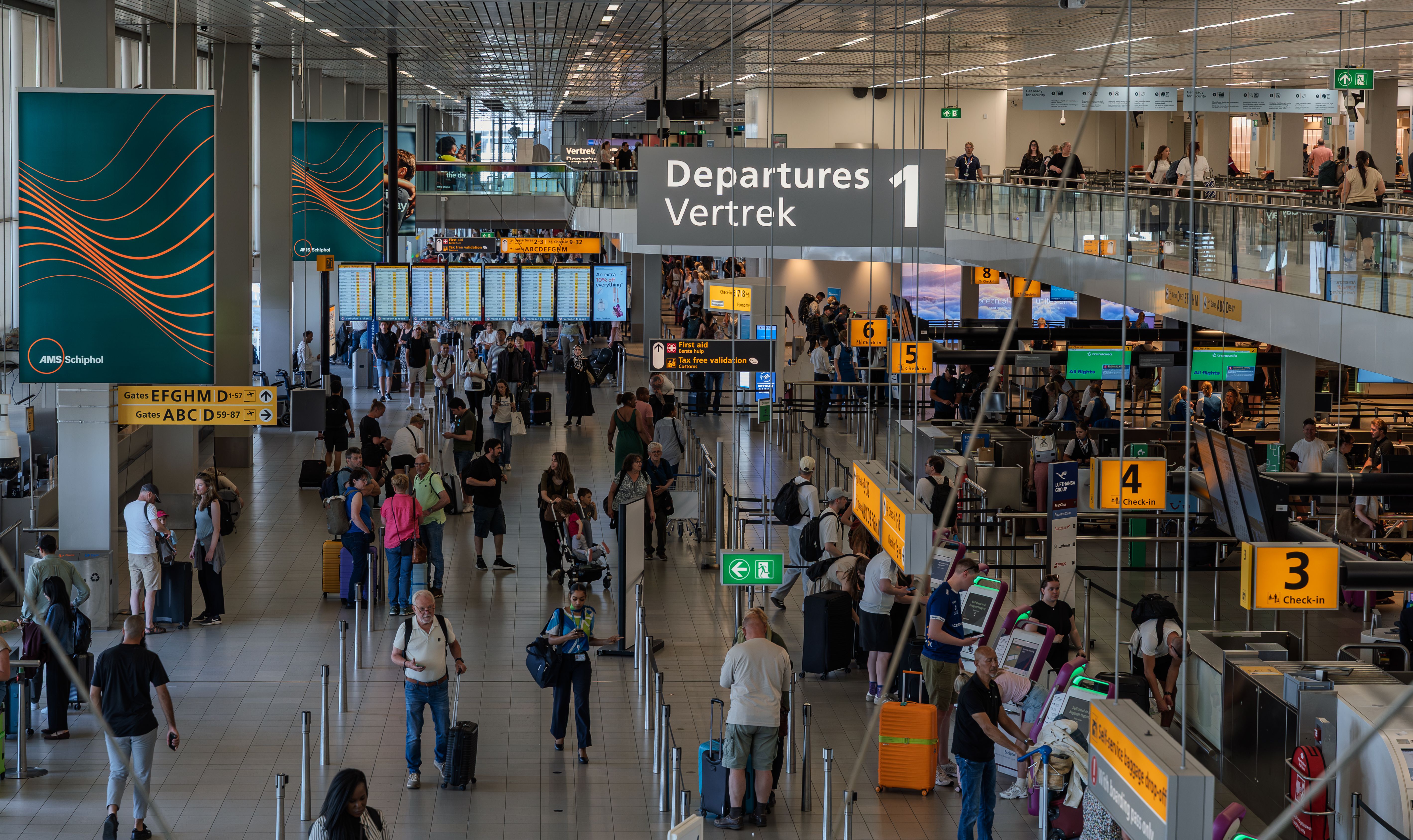
Photo courtesy of Pexels
The Era of Heightened Security
Soon after 9/11, additional security measures were introduced throughout the aviation industry. One of the most visible changes involved access to the aircraft cockpit.
Before 2001, I remember being able to look into the cockpit and see the pilots flying the airplane. It was fascinating to observe the flight deck, the instruments, and the people responsible for safely transporting hundreds of passengers through the skies. Today, cockpit doors are reinforced and locked during flights, reflecting the emphasis on preventing unauthorized access to the flight deck.
Another significant change came in December 2001, when British citizen Richard Reid, later known as the shoe bomber, attempted to detonate explosives concealed in the soles of his shoes during a transatlantic flight. Following this incident, airport security procedures became more restrictive.
Passengers were required to remove their shoes, belts, and jackets during security screening, along with other items that might conceal dangerous materials. These additional steps became a routine part of the airport experience.
The Transportation Security Administration (TSA) was established in the United States in November 2001, following the 9/11 attacks, to strengthen aviation and transportation security. Over time, TSA screening became a familiar part of every passenger’s journey.
What once involved simply checking in, walking through the airport, and boarding a flight evolved into a more complex process involving security lines, identification checks, baggage screening, and restrictions on personal belongings.
For frequent travelers, these changes became an accepted part of modern air travel. Yet every time I remove my shoes, take out my laptop, or place my belongings in a security bin, I am reminded of how dramatically the aviation experience has changed within a relatively short period.
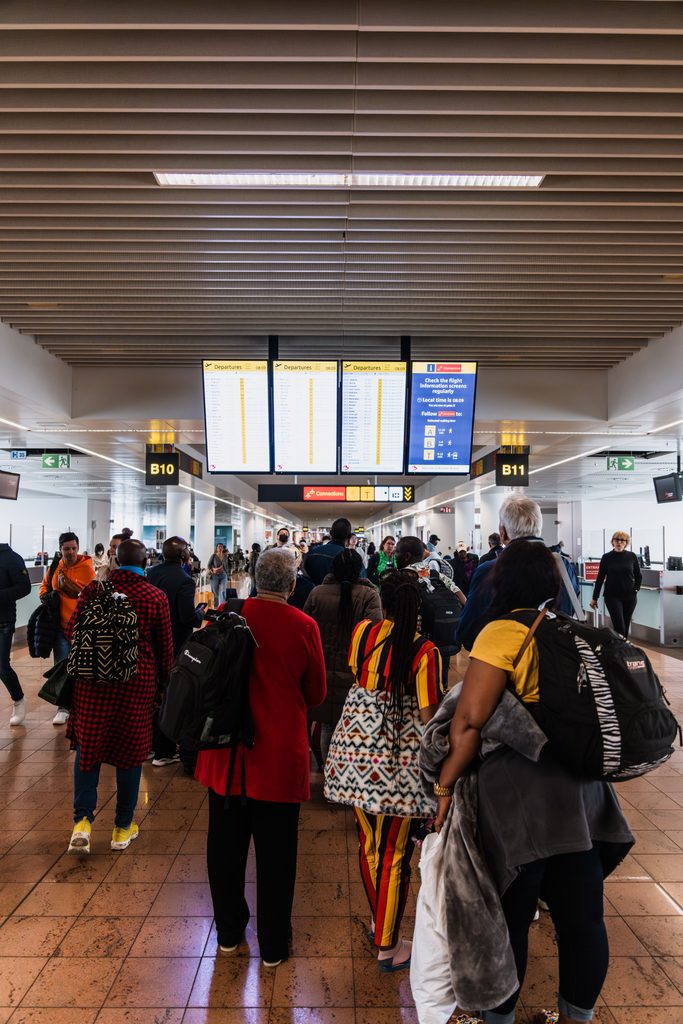
Photo courtesy of Pexels
The 100-Milliliter Liquid Rule
In 2006, another major change affected air travelers around the world: the restriction on carrying liquids through airport security.
I remember wondering why passengers were permitted to carry only 100 milliliters (3.4 fluid ounces) of liquid per container in a clear, quart-sized plastic bag. Why 100 milliliters? What had prompted such a specific restriction?
After doing some research, I learned about a serious terrorist plot uncovered in the United Kingdom in August 2006. The plot involved plans to bring liquid explosives onto commercial aircraft in ordinary drink bottles and combine the ingredients during the flight to create explosive devices.
The discovery of this plot led to immediate changes in aviation security regulations. Authorities recognized that dangerous substances could potentially be disguised as everyday beverages, making liquid explosives particularly difficult to identify through conventional screening methods.
As a result, restrictions were quickly introduced on the amount of liquid passengers could carry through airport security. Travelers were generally permitted to bring containers holding no more than 100 milliliters (3.4 ounces) each, with the containers placed in a transparent, resealable, quart-sized plastic bag.
The rule transformed the way passengers prepared for air travel.
Before heading to the airport, we began checking the size of our shampoo bottles, lotions, toothpaste, and other personal-care products. Larger containers had to be placed in checked luggage, while smaller containers needed to fit inside the designated plastic bag.
And there was another important requirement: passengers had to remove the clear plastic bag from their hand luggage and place it separately in a security tray while going through screening.
For those who traveled frequently, this became second nature. We learned to organize our carry-on bags carefully, keep our liquids accessible, and prepare for security checks before reaching the screening area.
Yet, as with many aviation security measures, the liquid restriction also created inconvenience for millions of travelers. Families with young children, passengers carrying medications, and people traveling long distances had to plan their belongings around these requirements.
Technology Begins to Change the Experience
While security regulations became more demanding, technological advancements gradually began making the screening process more convenient.
Newer three-dimensional (3D) security scanners allow trained personnel to examine the contents of hand luggage in greater detail. At airports equipped with appropriate screening technology, passengers may be permitted to leave liquids and electronic devices inside their bags rather than removing them individually.
This represents a significant improvement in convenience. Instead of unpacking and repacking belongings at the security checkpoint, passengers can potentially move through the process more efficiently.
However, the availability of these advanced scanners varies from airport to airport. As of now, not every airport has adopted the same technology, and passengers must still follow the instructions provided at their particular security checkpoint.
It is interesting to observe how airport security has evolved. A security measure introduced in response to a specific threat can eventually be modified through technological innovation. What was once a cumbersome procedure may gradually become easier without abandoning the underlying objective of protecting passengers.
The challenge is to find a balance between security and convenience.
Photo courtesy of Pexels
A Small Return to the Past?
Just a few weeks ago, I came across an announcement from the TSA that caught my attention. The agency introduced a program allowing eligible individuals at certain airports, including my local airport, LAX, to apply for permission to accompany or meet loved ones at the gate.
According to the announcement, individuals with TSA PreCheck could apply one to three days before their planned visit. If approved, they could enter the secure area of the airport to accompany or welcome a traveler, even if they were not flying themselves.
I found this development particularly interesting because it reminded me of the airport experience I had known before 9/11.
For years, the ability to walk someone to their gate or meet them as they arrived had seemed like a thing of the past. The airport had become a place where passengers and nontravelers were separated by security checkpoints, with only ticketed travelers generally permitted beyond the screening area.
The possibility of once again welcoming a loved one at the gate felt like a small but meaningful change.
Of course, this new access is not automatic. It depends on the airport, eligibility requirements, advance application, and approval. It does not mean that the unrestricted airport access of earlier decades has returned. Nevertheless, the initiative suggests that security and personal connection do not always have to be mutually exclusive.
The Future of Air Travel
When I think about the evolution of air travel, I am struck by how much has changed in just a few decades.
We have witnessed the disappearance of casual gate access, the introduction of reinforced cockpit doors, the establishment of the TSA, mandatory removal of shoes and other items during screening, and strict restrictions on liquids. At the same time, technological innovations are gradually making security procedures more efficient.
Each change has been influenced by a combination of security concerns, technological developments, and efforts to improve the passenger experience.
Air travel has always involved a delicate balance between freedom and safety. Passengers want to move efficiently, carry their belongings without difficulty, and enjoy the excitement of travel. Authorities, meanwhile, must address evolving threats and protect the millions of people who fly each day.
As I wait at the airport today, I sometimes think about those earlier days when I could stand at the arrival gate and embrace a loved one the moment they stepped off the plane. That simple experience may have disappeared, but it remains a vivid memory.
Perhaps the most encouraging aspect of modern aviation is that change does not always move in only one direction. While new security measures may restrict certain freedoms, better technology and carefully designed programs can sometimes restore elements of the human experience we thought we had lost.
The airport of the future may never be exactly like the airport of the past. But perhaps it can become a place where safety and the simple joy of welcoming someone we love can coexist.


Leave a Reply